
Artistic Statement for Thin-Skinned
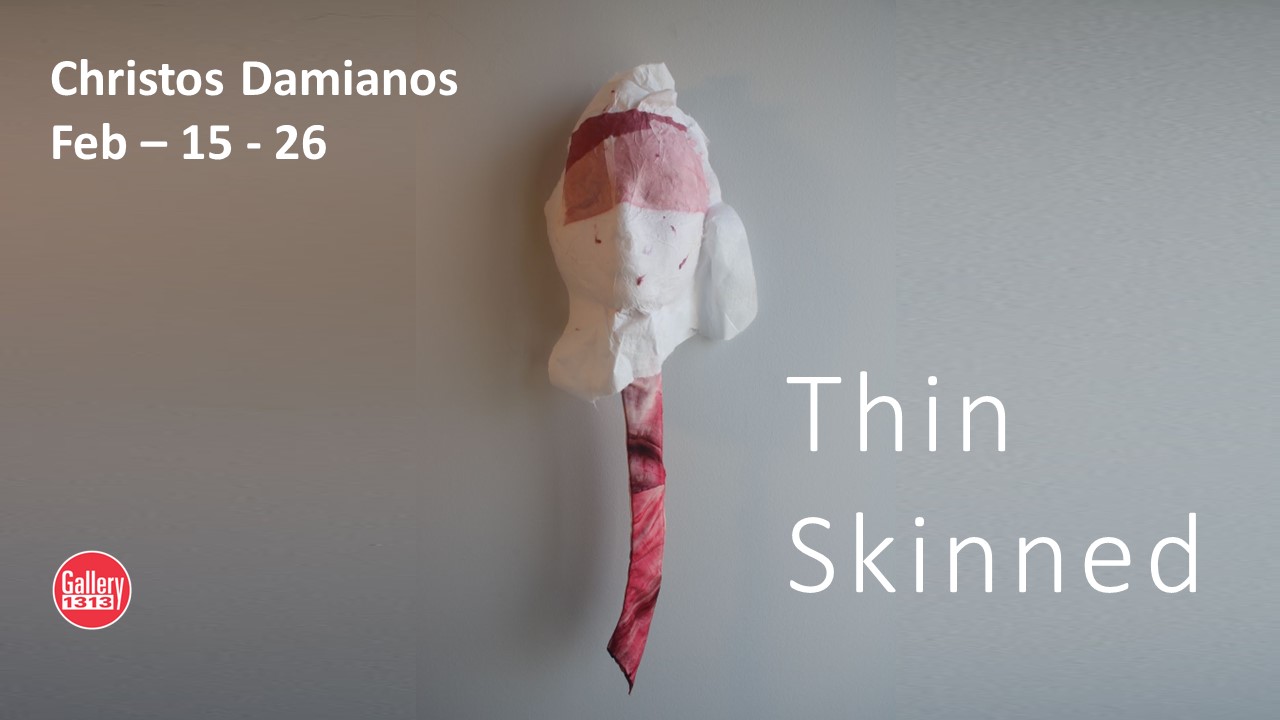
Thin-skinned (2022) is an ongoing series consisting of 20 mostly wall mounted and hanging fiber sculptures. Working with one of the most everyday of materials, paper, the artist constructs using a range of techniques with versatility. Paper when wet is heavy and fragile but when dry is Thin-skinned, light, strong and somewhat seductive. The title is derived from a term describing individuals that are “snappish, ornery, impatient, narky, ill-humored, volatile and uptight”. Aside from the title which may reference the state of mental health faced by society as we come out of the Covid Pandemic it also comments on the physicality and fragility of hand made paper and pulp objects. The complexity and rigorous practice of working with fiber and cellulose connects to the artist’s background in art and paper conservation, his childhood experiences of drawing, collaging and making paper objects as well as time spent watching his father at work in his shoe making business.
The sculptures vary from figurative to completely abstract forms. The porous white cellulose is elegant and somewhat disquieting and certainly reminiscent of classical sculpture deprived of their limbs and color. Light and texture are interdependent for these works and affirm the tension between the preservation of memory, haptics and the natural forces that showcase aspects of human existence.
Biography
Christos Damianos (born in Tripoli Greece) completed a BFA at Western University (London, ON), a BEd in Art education, Masters as well as graduate work in Art Conservation in which he earned Queen’s Graduate Award. Christos, while based in Toronto, also works out of his studio in Greece and has participated in numerous solo and group exhibitions. Damianos’ work is held in public and private collections.
Toronto-based artist Christos Damianos explores the theme of identity and perception. Drawing on memory, observation and media sourced from various platforms he distills from them a human presence often ignored by society. His studio practice, which is autobiographical at its core reflecting on evolving contemporary social and personal experiences, is rooted in stream of consciousness and the experimentation of the physicality of the medium. Repeated gestures and marks speak to impermanence and the imperfection of the work as well as the materiality and play the artist engages in. This haptic process of working and the invitation of the viewer to establish a relationship with his work are intimately connected. These sensory experiences can act as a catalyst to lost connections, personal memories, life experiences which are often hidden in the simplicity of the medium or unassuming presence of the work.